
5 Signs Your Log Home Has Rot (And What to Do About It)
- Feb 19
- 3 min read
Rot is the number one killer of log homes. It doesn't announce itself — by the time most homeowners notice it, the damage has been spreading for years. The good news is there are warning signs if you know what to look for. Here are the five things I check on every log home I walk up to.






1. Soft Spots
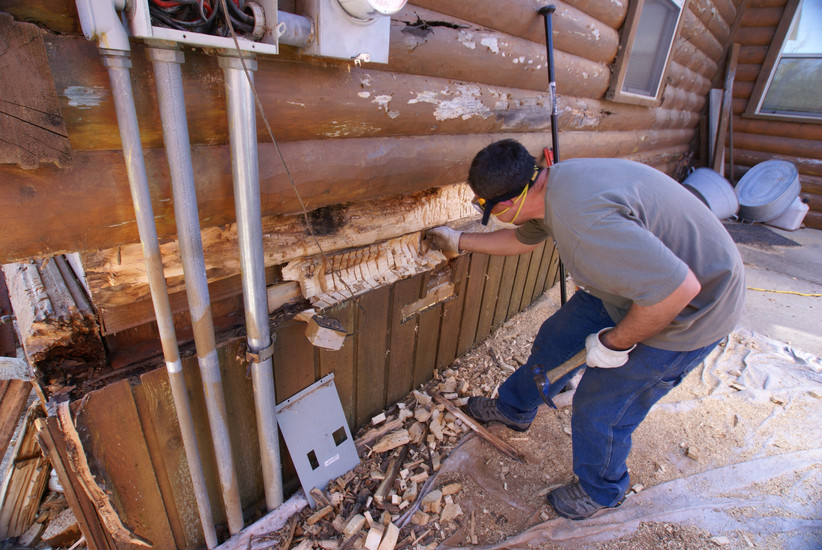
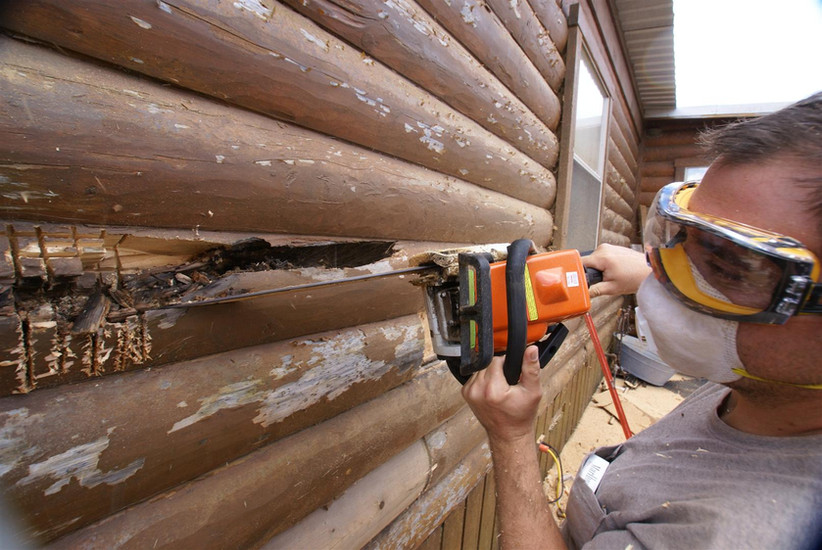
This is the most obvious one but people miss it because they don't think to check. Take a screwdriver and press it into your logs in a few key areas - bottom courses, around windows, anywhere water might sit. Healthy wood resists. Rotting wood lets the screwdriver sink in with little effort.
When you probe, always press in an upward direction so you don't create a gouge that faces up and collects water. You always want the gap running downhill.
Pay special attention to:
- Bottom logs closest to the ground
- Log ends where they extend past the wall
- Below windows and doors where water drains
- Any area without roof overhang protection
If the screwdriver sinks in a quarter inch or more, you've got a problem.
2. Discoloration or Dark Streaks
Dark staining on your logs doesn't always mean rot — but it usually means moisture is hanging around where it shouldn't be. Look for dark streaks
running vertically down the wall, especially below windows, around chinking gaps, or where two logs meet.
3. Chinking or Caulking Pulling Away
When your chinking or caulk starts separating from the logs, it creates gaps. Those gaps let water in. Water sits between the logs where you can't see it, and that's where rot starts.
Walk your exterior and look closely at every chink line. If you see gaps, cracks, or sections where the chinking has pulled loose, moisture is getting behind it. This is one of the easiest problems to catch early and one of the most expensive to ignore.
4. Mushy or Crumbling Log Ends
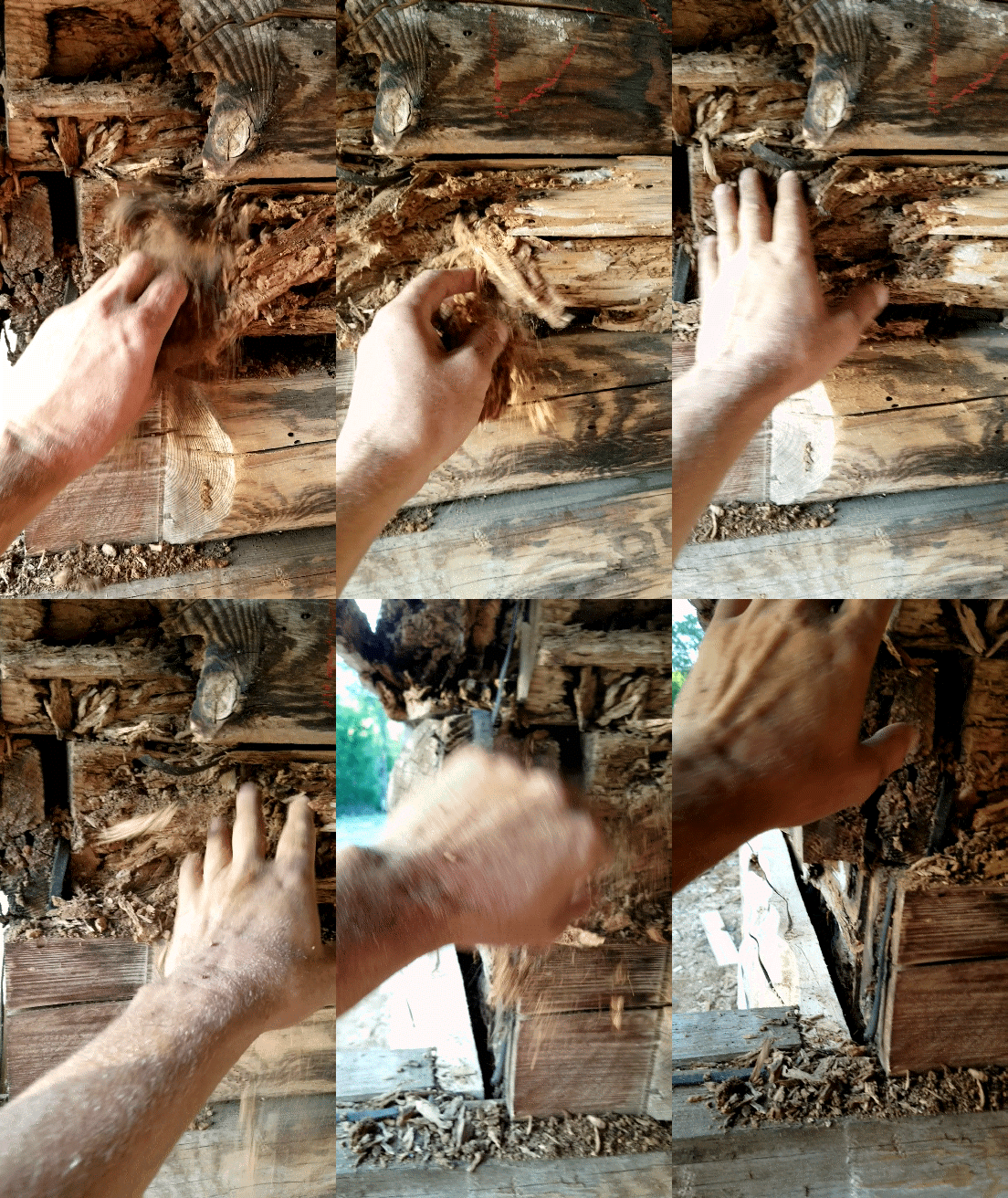
Log ends take more abuse than any other part of your home. They stick out past the wall, they catch rain from every direction, and they're often the last place people think to maintain. If your log ends are soft, crumbly, or breaking apart when you touch them, the rot has been there a while.
The tricky part is that log ends can look fine on the surface and be completely gone inside. I've pulled log ends apart with my hands that looked solid from ten feet away. If there's any question, probe them with a screwdriver.
What to Do If You See Any of These
Don't panic, but don't sit on it either. Here's what I tell every homeowner:
If it's minor — small soft spots, a few chinking gaps, early discoloration — you've probably caught it in time. A targeted repair and proper re-staining can stop it from spreading and save you thousands down the road.
If it's moderate — log ends are going, you're seeing multiple problem areas, floors feel off — you need a professional assessment. This is where we come in, evaluate the full scope, and put together a plan before it gets worse.
If it's severe — structural sagging, logs crumbling, widespread soft spots — it's still fixable. We've brought back homes that owners thought were total losses. But the longer you wait at this stage, the more logs need to come out and the higher the cost climbs.
The single best thing you can do for your log home is catch problems early. A $2,500 repair today prevents a $30,000 restoration next year.
────────────────────────────────────────────────────────────────────────────────
Guild Log and Timber — Texas log home construction, restoration, and repair. Contact us (https://www.guildlogandtimber.com/contact) for pricing and
availability.


