
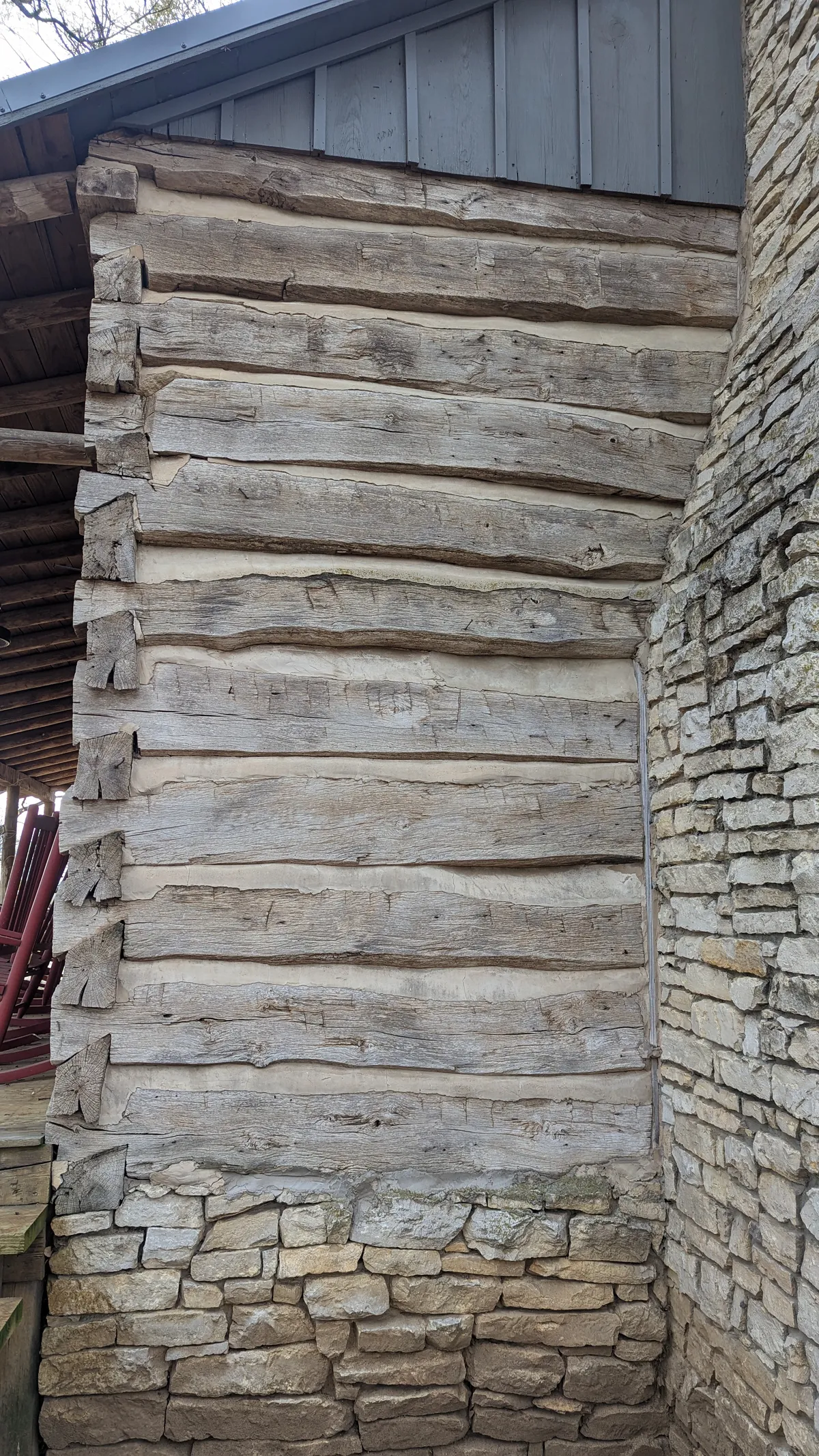
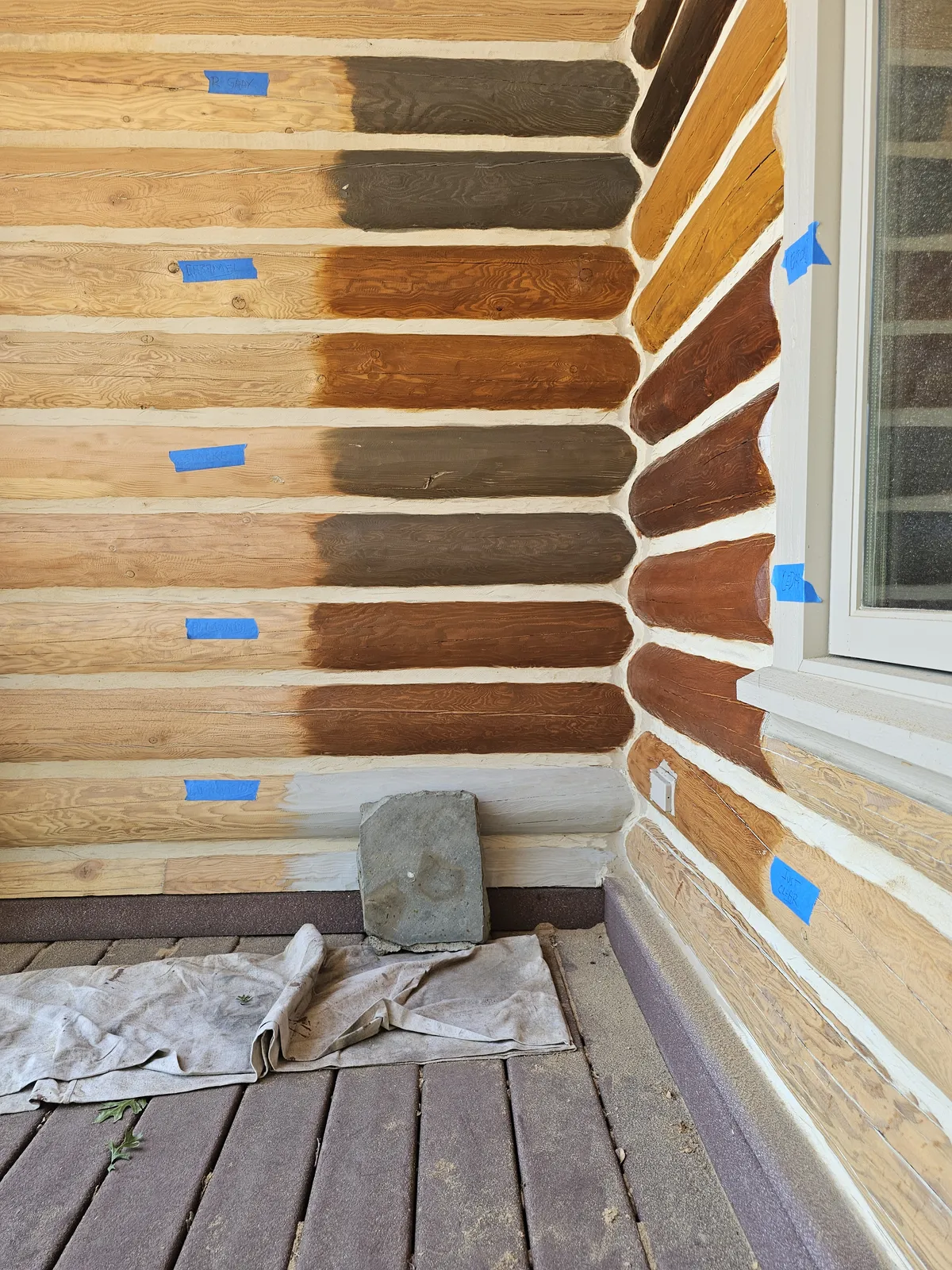
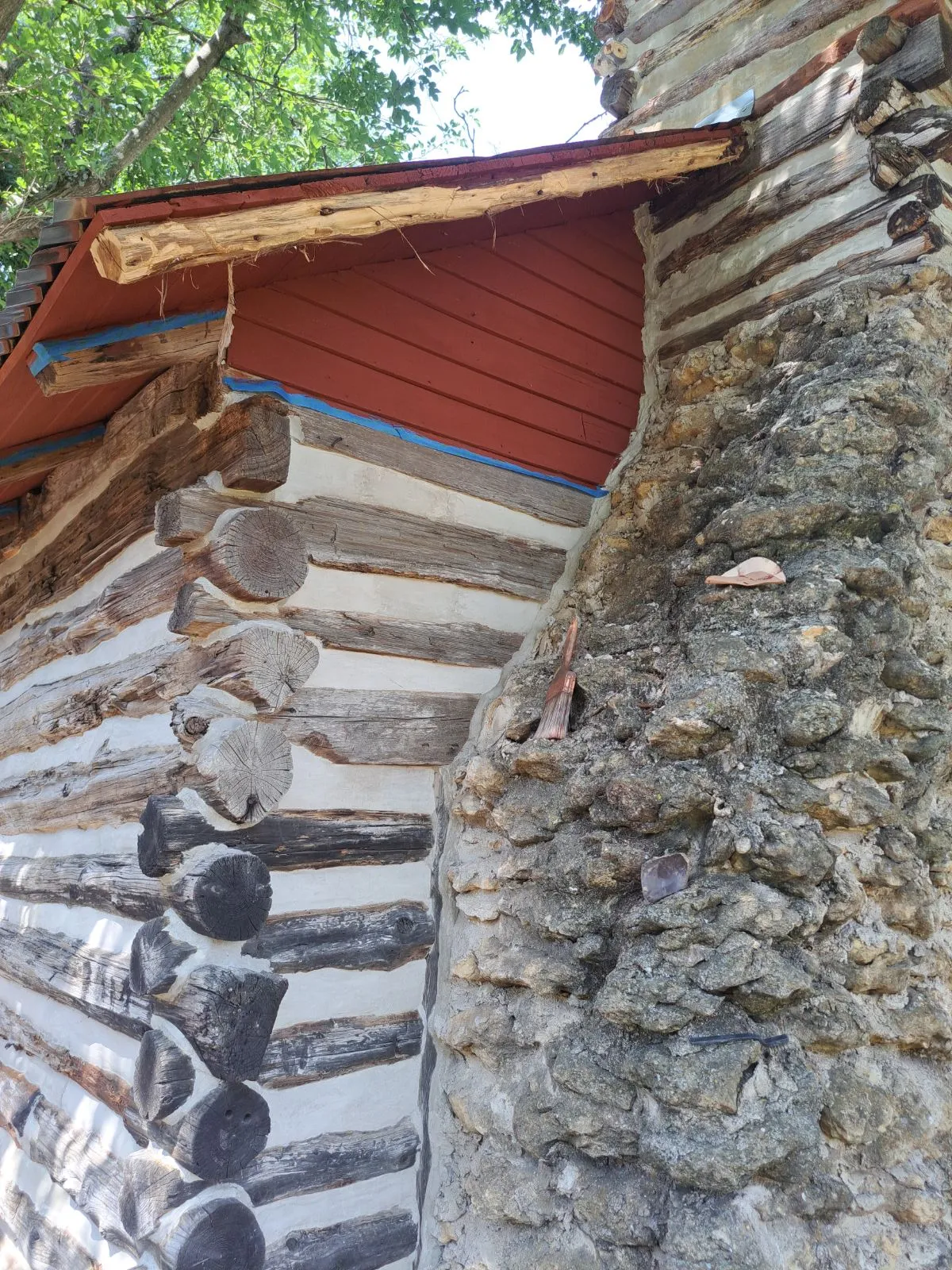
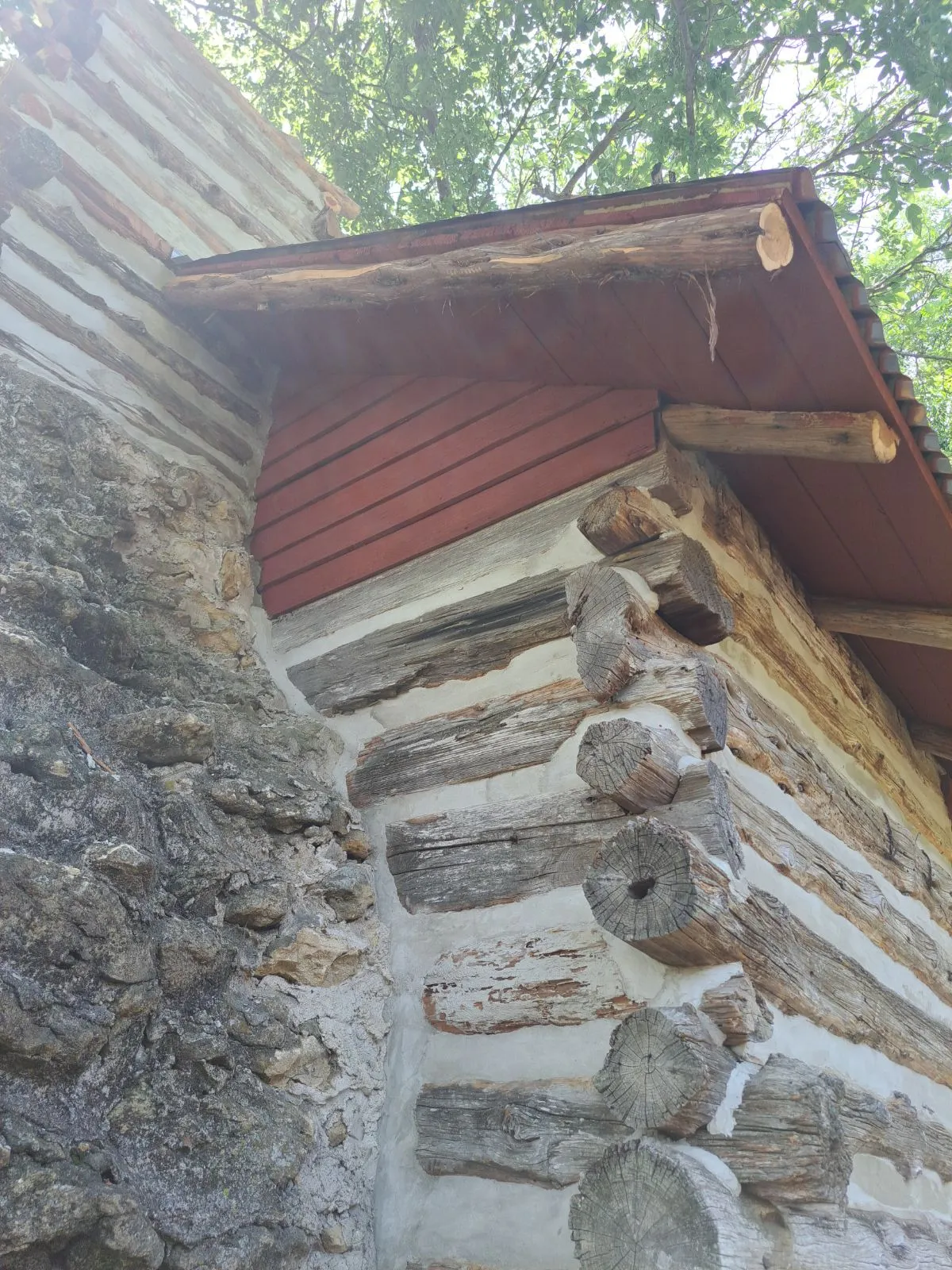
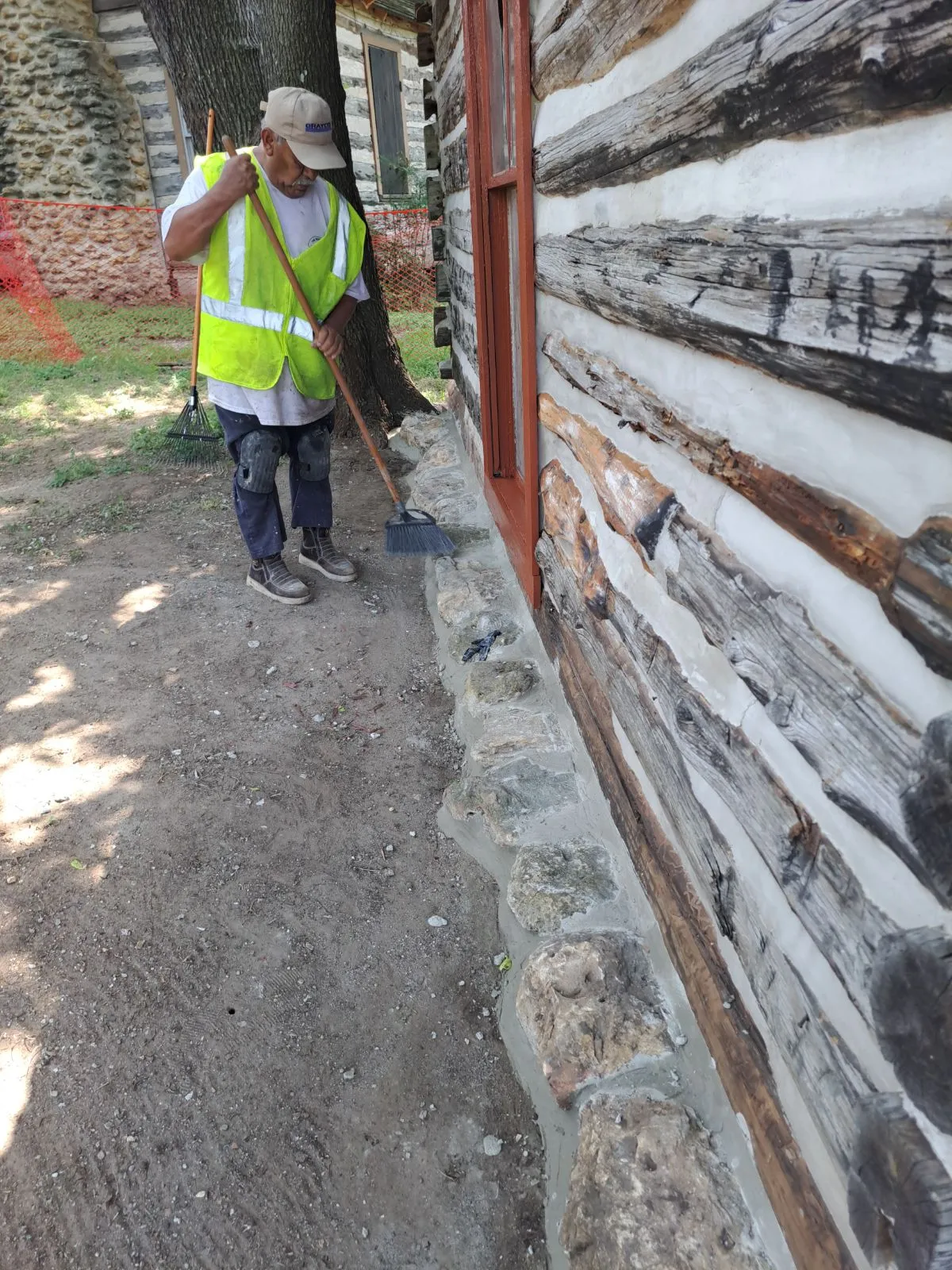
Log home chinking is your second line of defense against water, air, and insects, right behind the roof. Learn what it does, when it fails, and when it's time to rechink your log home.
My dad was a custom log home builder. He used to say "I always want to be the dirt guy, because budgets are full, everyone's high-fiving and getting paid at the front of the job." He was joking, but he wasn't wrong. The beginning of a build is all excitement and open checkbooks. By the end, the budget is stretched, timelines are blown, and that's when corners get cut.
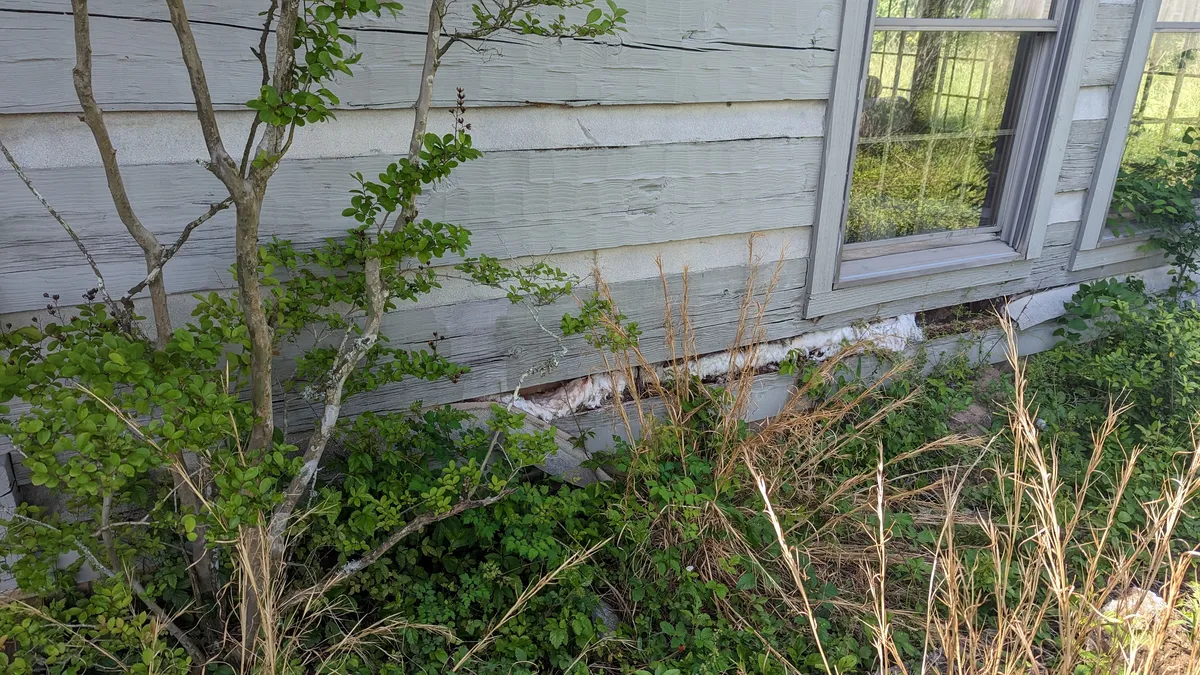
One of the most common corners I see cut is chinking. A contractor gets to the tail end of a build, the money is tight, and the homeowner hears something like "you don't really need chinking, there's foam strips between the logs." That foam strip is a gasket or backer rod. It's part of the system, not the whole system. Telling a homeowner they don't need chinking because there's foam in the joints is like telling someone they don't need a roof because there's plywood up there. The unfortunate truth is that chinking is imperative for every exposed log home, and skipping it to save money at the end of a build creates problems that cost far more to fix down the road.
Chinking is one of those things log home owners either know everything about or nothing about. There's not much in between. If you're in the second group, this is for you.
What Is Chinking?
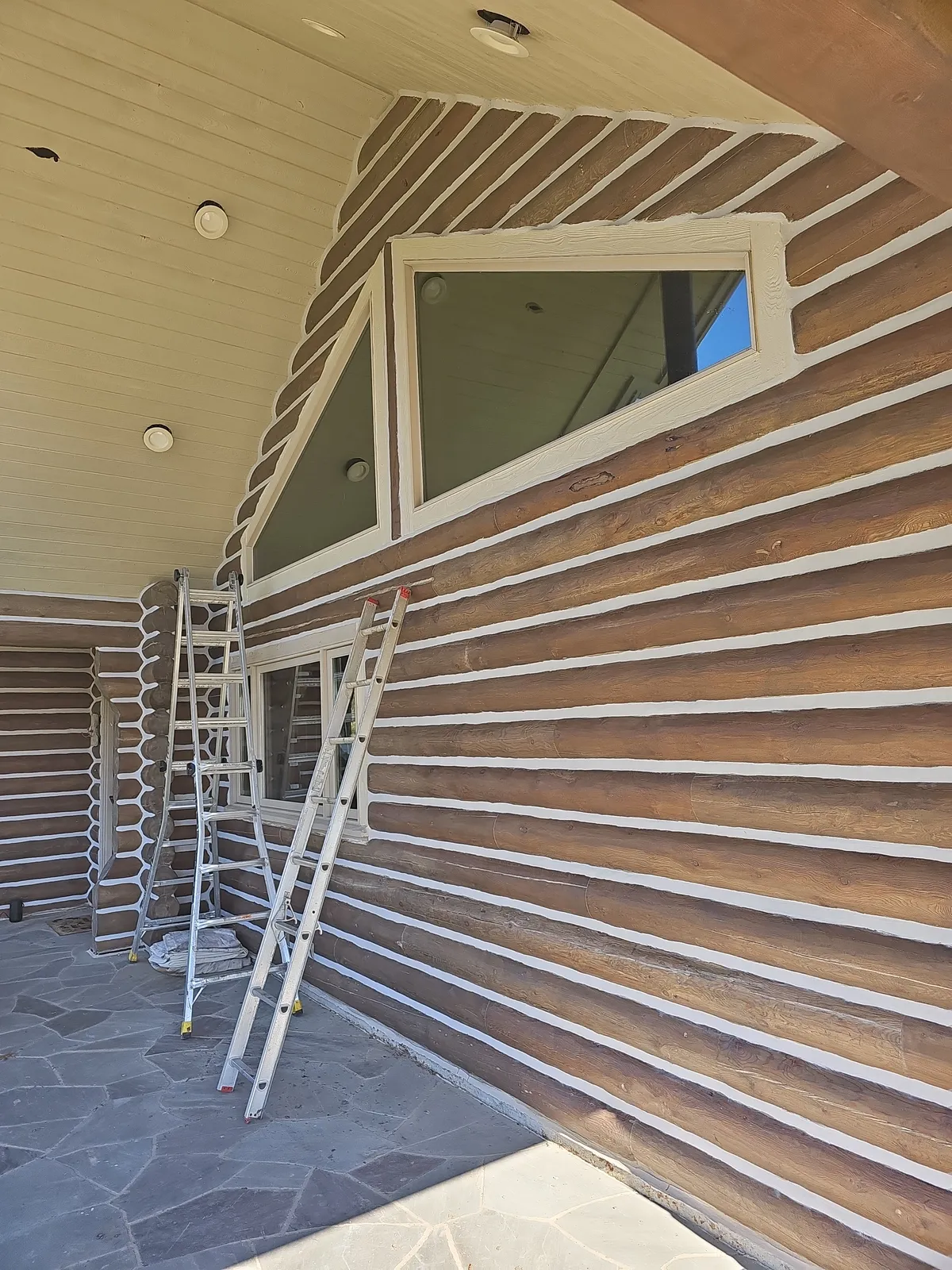
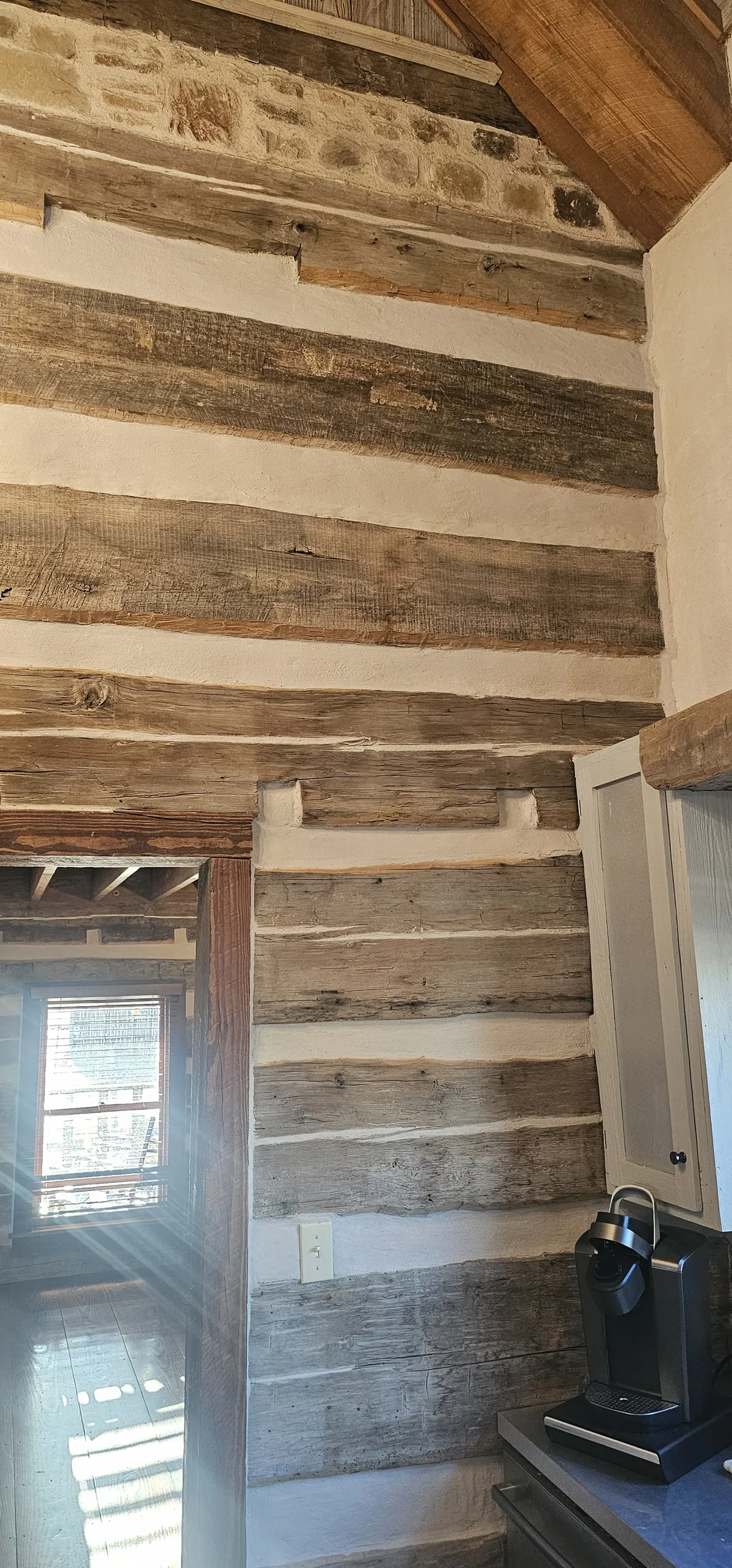
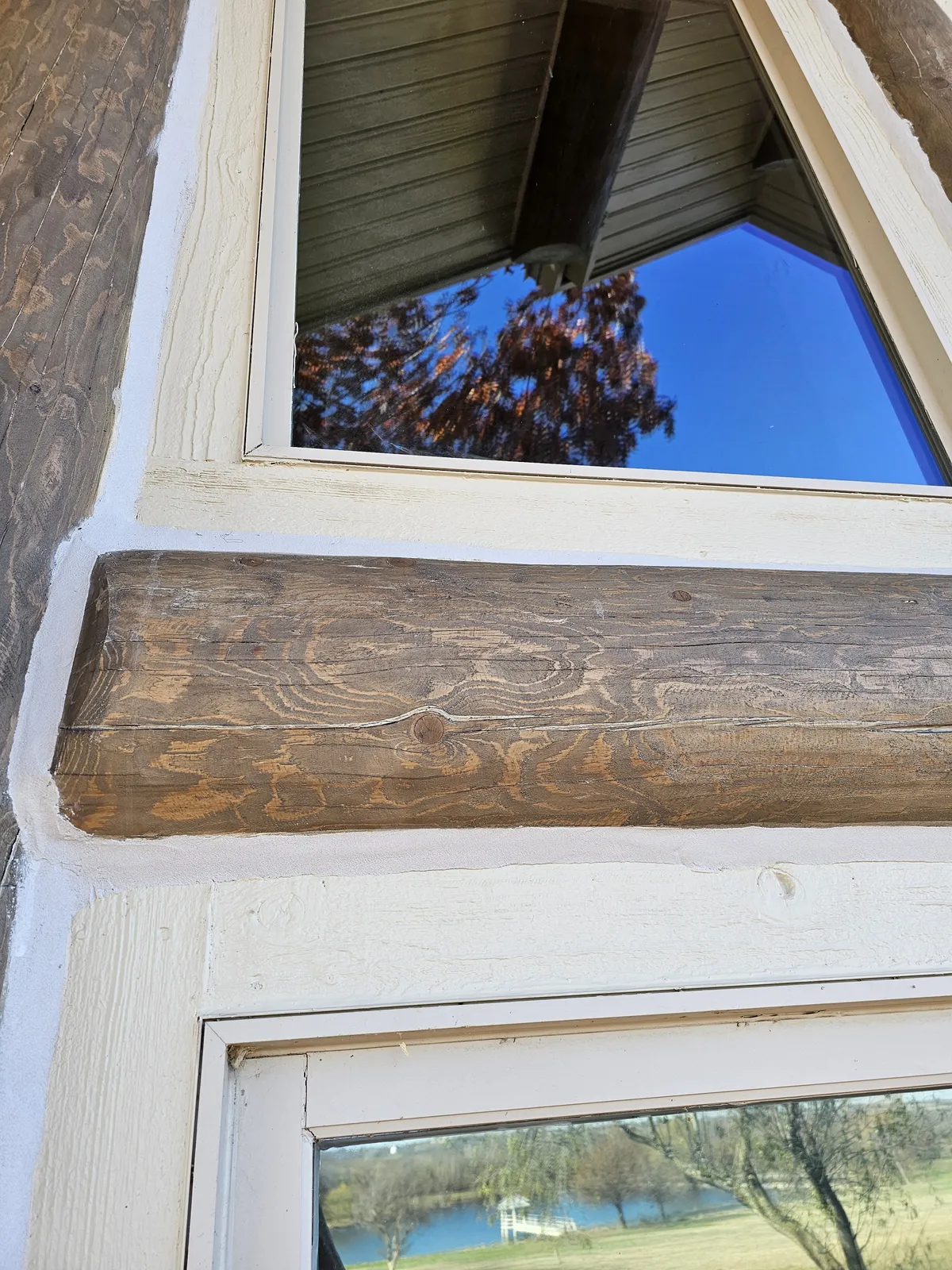
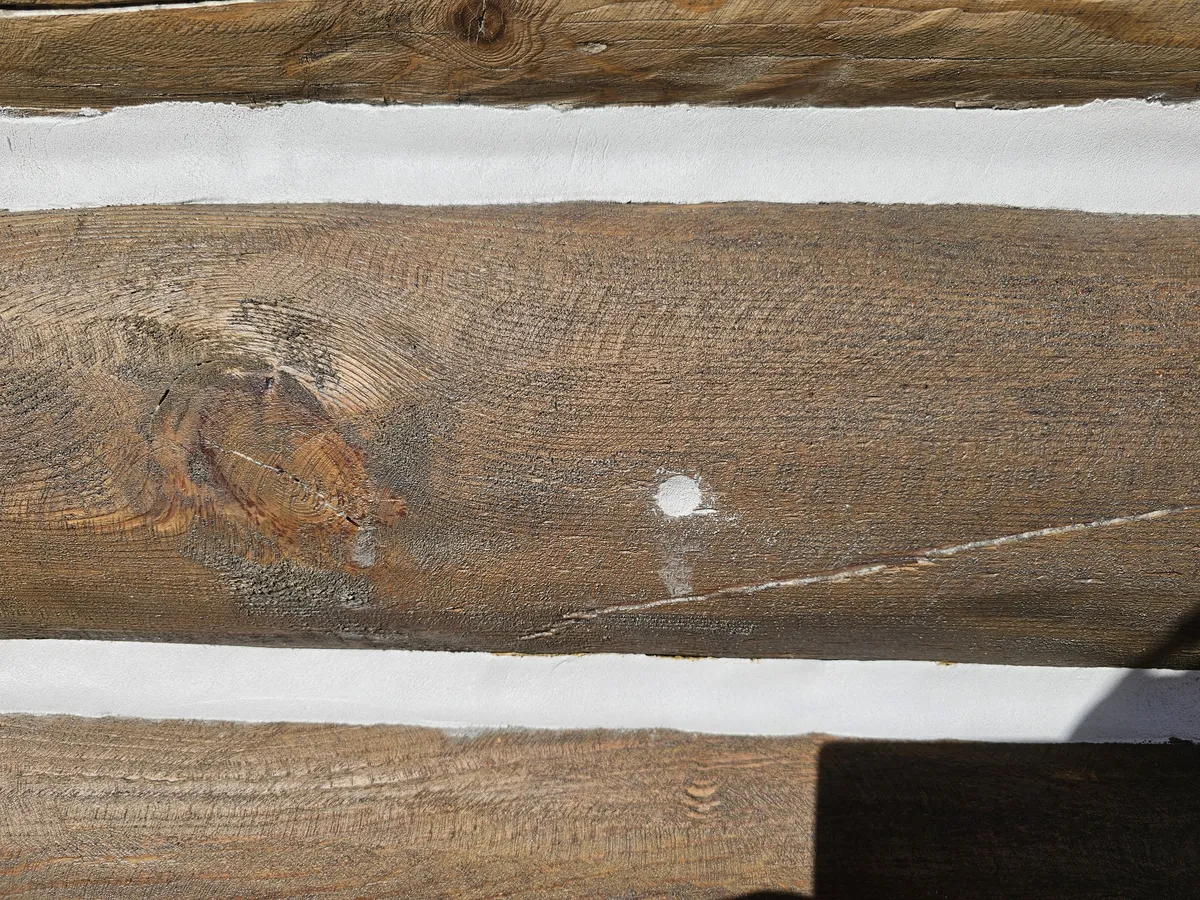
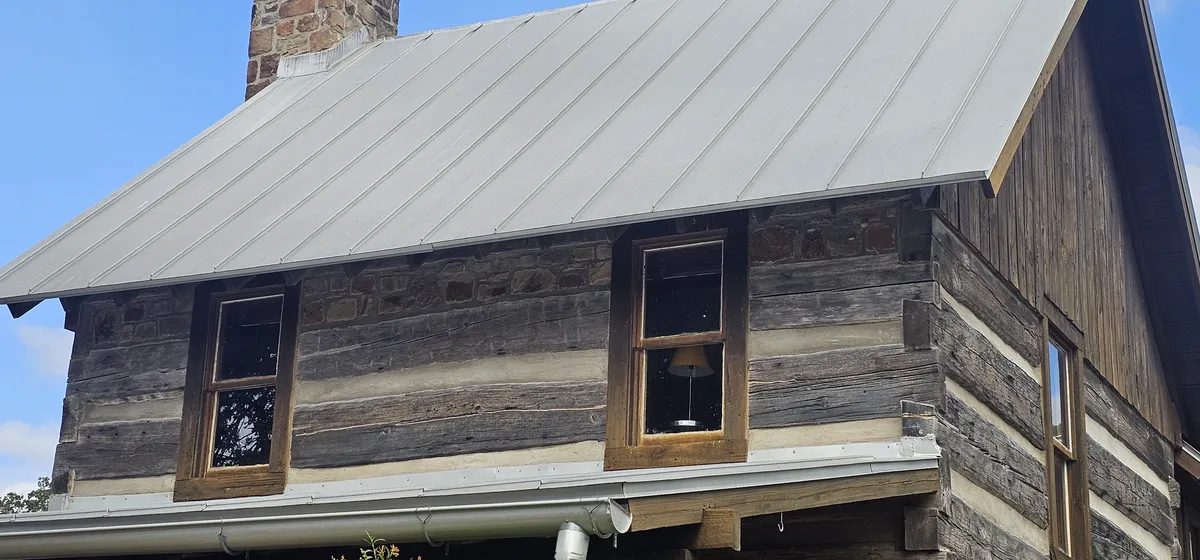
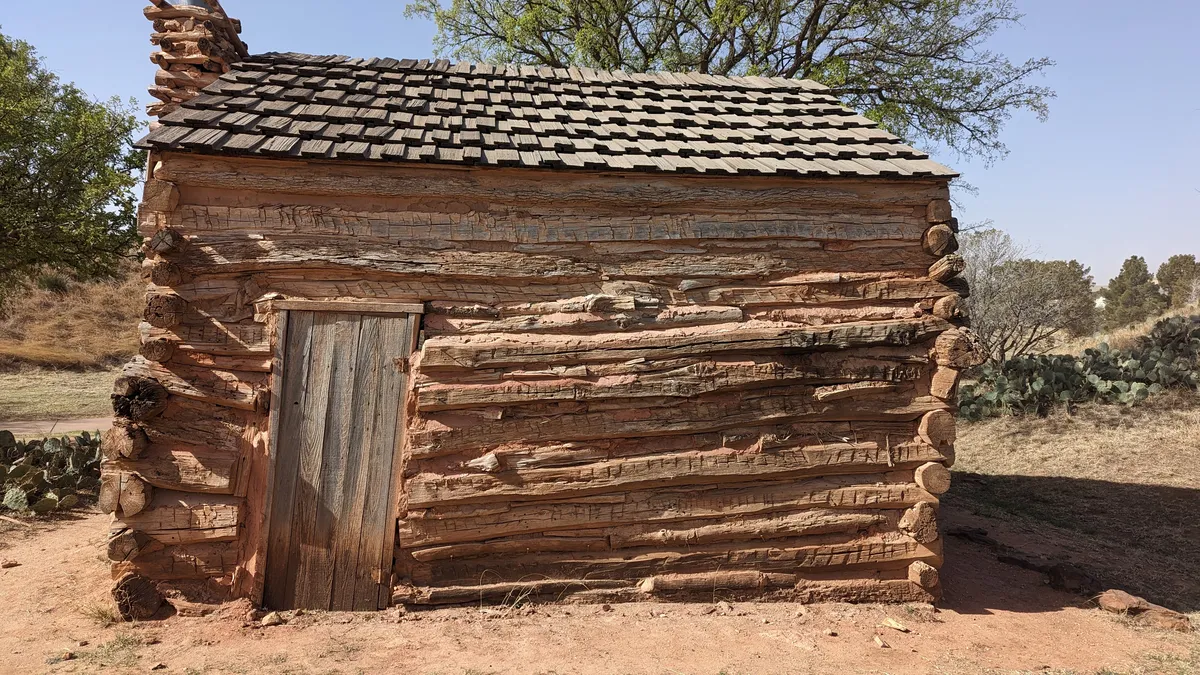
Chinking is the flexible sealant applied between the logs on your home's exterior. It fills the gaps where logs meet, creating a weathertight seal that keeps water, air, and insects out. On older cabins, chinking was and is still made from mud, clay, or mortar. Modern chinking is a synthetic elastomeric compound that moves with your logs as they expand and contract through the seasons.
It's not the same as caulking, although people use the terms interchangeably. Caulking fills narrow joints: the tight seams where logs sit close together. Chinking fills the wider gaps, typically anything over a half inch. Most log homes use both. Caulking also tends to blend and chinking tends to contrast.
Why It Matters
Chinking is your log home's second line of defense, right behind the roof. Without it, every gap between your logs is an open invitation for water, air, insects, and mold.
Water gets between the logs, sits there, and starts rot from the inside out. You won't see it until the damage is done. Air infiltration sends your heating and cooling straight through the walls. Homeowners with failed chinking are shocked at the difference in their energy bills after a rechink. Gaps in chinking are front doors for carpenter bees, wasps, ants, and anything else looking for a place to nest. And moisture trapped between logs with no way to dry creates the perfect conditions for mold growth deep inside the wall where you'll never see it.
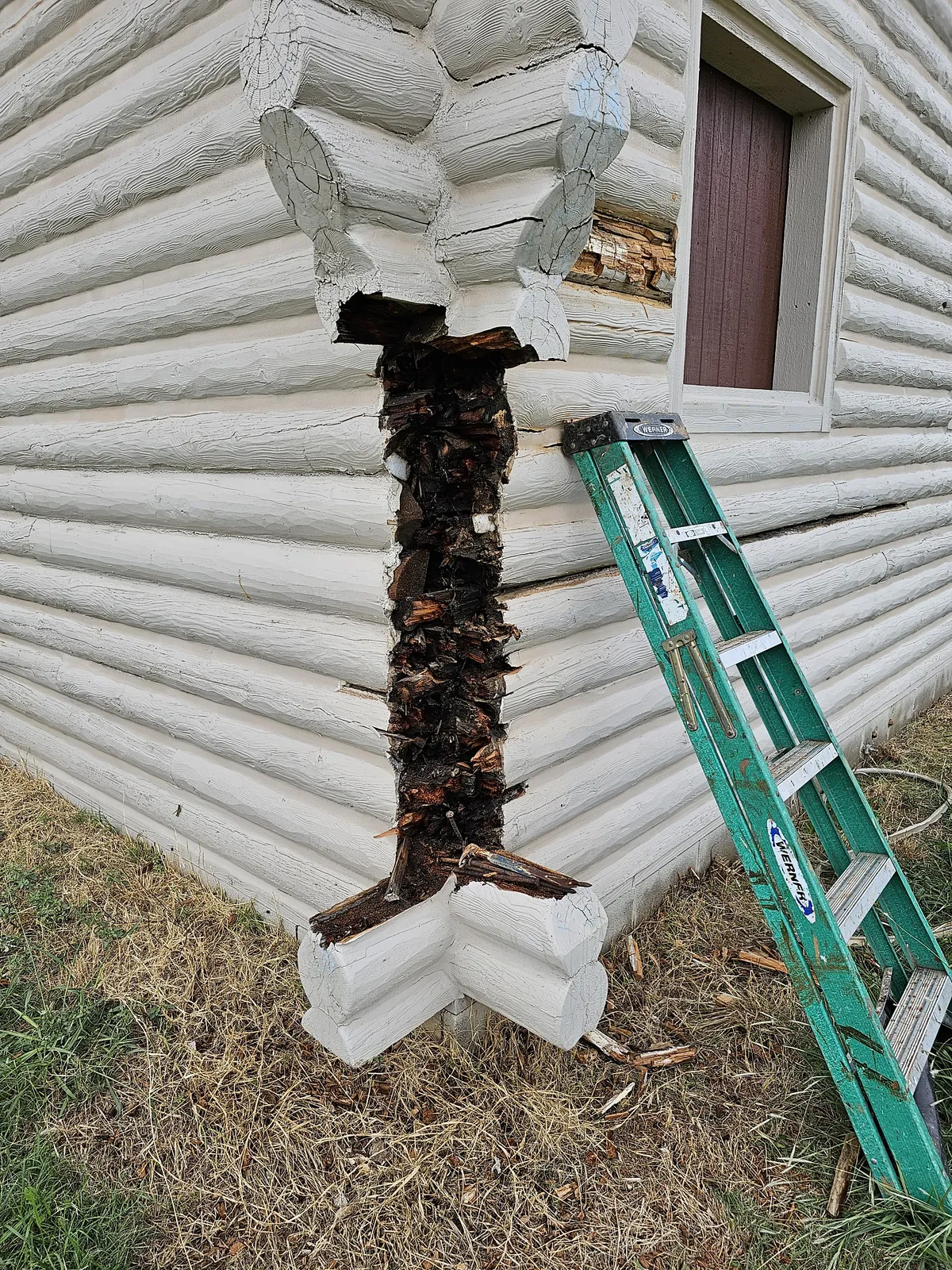
I've opened up log walls where the chinking had failed years prior. The exterior logs looked fine. Behind the chinking line, the wood was black and soft. That's what unchecked moisture does when you can't see it.
How Long Does Chinking Last?
Quality chinking applied properly over a good backer rod should last 15 to 30 years depending on exposure and climate. In Texas, the south and west facing walls take the most punishment. Direct sun and driving rain break down even the best products faster.
Cheap chinking or poor application cuts that lifespan significantly. I've seen rechink jobs fail in under five years because the surface wasn't prepped correctly, the backer rod was missing, or the wrong product was used.
Signs Your Chinking Needs Replacement
Walk your home's exterior once or twice a year and look for these:
- Gaps or separation: chinking pulling away from one or both logs, even slightly. If you can see daylight or feel air, water is getting in.
- Cracking: hairline cracks can be cosmetic, but deep cracks that go all the way through are failing.
- Bulging or sagging: chinking that's pushing outward or drooping has lost adhesion and is no longer sealing.
- Hardening: old chinking that's lost its flexibility won't move with the logs anymore. Press it with your thumb. If it doesn't give at all, it's done.
- Staining below the chink line: dark streaks running down from the chinking gaps means water is already getting behind it.
If you're seeing any combination of these, it's time.
What a Rechink Job Looks Like
A proper rechink isn't just slapping new product over the old stuff. Here's how we do it:
- Remove the old chinking: all of it. You can't seal over failure and expect it to hold.
- Inspect the logs underneath: this is where we find hidden rot, insect damage, or mold that's been sitting behind failed chinking for years. If there's damage, we address it before sealing it back up.
- Install new backer rod: this foam rod sits in the gap and gives the chinking the right depth and profile to flex properly. Skipping this step is the number one reason rechink jobs fail early.
- Apply the chinking: we use Sashco products. Their chinking is the most durable and flexible product we've tested over 25 years. It's not the cheapest option, but it lasts.
- Tool and finish: proper tooling ensures full adhesion to both log surfaces and a clean professional appearance.
What It Costs
Chinking replacement runs $4.00 to $10.00 per linear foot depending on gap width, accessibility, and condition of the logs underneath. A full rechink on a mid-size home typically falls between $8,000 and $50,000. The biggest cost variable is what we find behind the old chinking. If the logs are solid, it's straightforward. If there's rot, that adds to the scope.
Don't Wait on This One
Failed chinking is one of those problems that costs a little to fix now and a lot to fix later. Every season that water gets behind your logs is a season of damage you can't see. By the time the rot shows up on the surface, you're not just re-chinking anymore. You're replacing logs. Chink is not only good at holding water out, but failing chinking is good at holding water in.